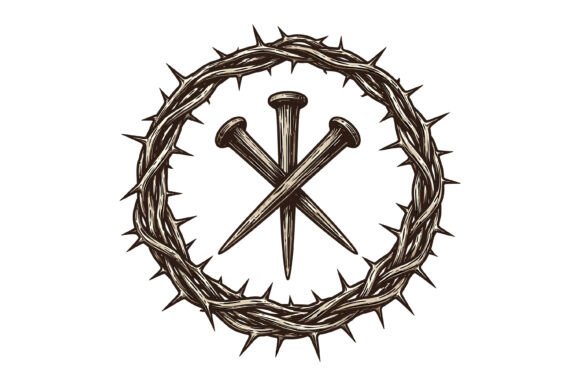
Crown of Thorns Nails
A Design That Commands Attention—But Demands Intention
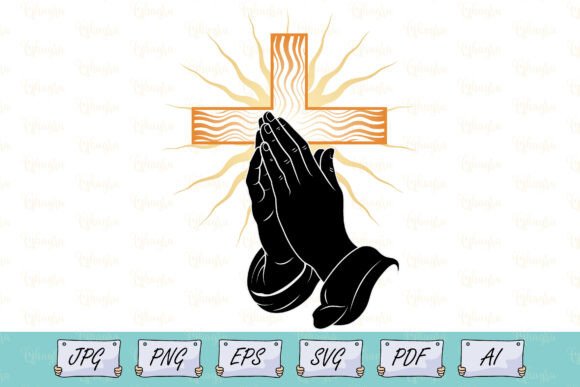
First glance at Crown of Thorns Nails tells you this isn’t a background filler—it’s a statement. The composition balances sharp, organic thorn curves with deliberate negative space, suggesting both reverence and resilience. As an embroidery designer who’s stitched hundreds of symbolic motifs—from delicate florals to bold typographic pieces—I immediately read this as a design built for emotional resonance, not just decoration. It feels tactile, almost sculptural in its implied texture, which means it’ll translate powerfully on fabric—if handled with care.
Real-World Test: A Limited-Edition Embroidered Tote for a Local Apothecary
Last month, I used Crown of Thorns Nails on a heavyweight natural linen tote for a boutique apothecary launching a wellness-themed collection. The goal? A handmade product that felt grounded, intentional, and quietly powerful—not edgy for shock value, but meaningful for those drawn to botanical symbolism and mindful craft. We placed it centered on the front panel, 4.2" wide, using matte black thread on oat-colored linen. The result held up beautifully: the thorn tips retained clarity, the inner curves didn’t blur, and the overall shape read cleanly from three feet away. Customers paused. They asked about it. That’s the sign of a design doing real work—not just filling space.
Where Crown of Thorns Nails Shines (and Where It Needs Guardrails)
This isn’t a one-size-fits-all machine embroidery design. Its strength lies in deliberate placement and thoughtful context:
- Custom apparel: Works exceptionally well on structured, medium-to-heavyweight fabrics—think sweatshirt cuffs, back yokes of denim jackets, or chest placements on premium cotton tees. Avoid low-thread-count blanks; the detail needs stability.
- Embroidered patch: Ideal for iron-on or sew-on patches on canvas bags, denim vests, or aprons. The defined outer edge and internal rhythm make it hold shape well when cut and finished.
- Baby embroidery and nursery decor: Use cautiously. While the motif carries depth, some buyers associate “crown of thorns” strictly with religious iconography. If used on a baby blanket or pillow cover, pair it with neutral, earthy thread colors and soft stabilizing—never high-density satin stitch on jersey knit.
- Holiday embroidery and wedding gifts: Surprisingly versatile here—if framed intentionally. Think charcoal-gray tea towel for a minimalist kitchen wedding gift, or a deep burgundy sweatshirt for Advent season. It reads as solemn, not somber, when balanced with warm neutrals.
- Etsy seller and small shop product: Strong visual identity potential. Buyers browsing handmade goods respond to authenticity and narrative—Crown of Thorns Nails invites story. Just ensure your product photos show scale, fabric texture, and stitching fidelity—not just flat mockups.
Fabric & Fit Considerations You Can’t Skip
Texture matters more than usual with this design. On brushed fleece or terry cloth, fine thorn tips can disappear into pile. On thin rayon or lightweight voile? Over-stabilize—or skip it entirely. Stretchy fabric like cotton-spandex blends will distort the symmetry unless hooped with firm cutaway and stitched slowly. And dark fabric demands contrast testing: try matte charcoal thread on black twill, not glossy black-on-black. You’ll lose definition fast.
Stitching Clarity = Customer Trust
When a customer pays for a handmade product, they’re buying craftsmanship—not just a logo. Crown of Thorns Nails has enough internal line variation and directional flow that poor digitization shows instantly: flattened curves, jagged thorn ends, or inconsistent stitch density between outer rim and inner loops. If your version lacks smooth satin stitch transitions or uses excessive fill stitch where running stitch would breathe better, reconsider the source. A clean embroidery file lets the motif speak; a sloppy one makes it look like a clipart afterthought.
Practical Designer Notes Before You Stitch
- Test Crown of Thorns Nails on scrap fabric matching your final project’s weight and stretch—even if it’s “just a tote.” Linen behaves differently than canvas, which behaves differently than midweight cotton.
- Check thread color contrast in natural light *and* under warm indoor lighting. What reads clearly at noon may vanish at dusk.
- Review stitch density. High density adds richness but increases wash wear—critical for baby items or kitchen towels meant for daily use.
- Confirm hoop size compatibility. This design benefits from at least a 5"x7" hoop; smaller hoops force compression that sacrifices tip sharpness.
- Inspect small details at 200% zoom in your embroidery software. Are thorn tips single-stitch points or tiny clusters? That difference affects final clarity.
- Run a black-and-white printable mockup. Does the silhouette hold weight without color? If it flattens or fades visually, reconsider placement or scaling.
- Compare light and dark fabric backgrounds side-by-side. Some versions of this motif rely too heavily on shadow play—fine for digital previews, weak for physical embroidery.
- Use appropriate stabilizer: medium cutaway for knits, tear-away for stable wovens, and always float a lightweight topping for textured surfaces.
- Verify licensing before selling finished items or bundling the digital embroidery file with other design assets. Not all T-Shirt Designs are cleared for commercial embroidery resale.
Final Thought: It’s Not Just a Motif—It’s a Conversation Starter
Crown of Thorns Nails doesn’t blend in. It anchors. It slows the eye. That’s valuable—but only when matched to the right product, audience, and execution. For the craft business owner building a brand around intentionality, it’s a standout asset. For the Etsy seller curating meaningful personalized gifts, it adds quiet gravitas. And for the designer choosing what goes into their next batch of custom apparel or embroidered patch inventory—it’s a reminder that the strongest designs don’t shout. They settle in, stay clear, and earn their place stitch by careful stitch.